Showing posts with label sugar. Show all posts

Tuesday, 4 March 2014

Spring-series II.

With the warmer weather here, we've got the recipe of the great lemon sparkle cupcakes for a perfect picnic. So spring into it!


Lemon Sparkle Cupcakes

Preheat oven to 350°. In a large bowl, cream 2/3 cup of shortening and 1 cup sugar until light and fluffy.
Add 3 eggs, one at a time, beating well after each addition.


Combine 2 cups of flour, 2 teaspoons baking powder and 1/2 teaspoon salt; add to creamed mixture alternately with 2/3 cup of milk, beating well after each addition. Stir in 1 tablespoon grated lemon peel.Fill paper-lined muffin cups two-thirds full. 
Combine topping ingredients: 1/4 cup sugar, 1 tablespoon grated lemon peel and 1/8 teaspoon ground nutmeg; sprinkle a rounded 1/2 teaspoonful over each cupcake. Bake 20-24 minutes or until a toothpick inserted in center comes out clean. Cool 10 minutes before removing from pans to wire racks to cool completely.

 
Sometimes we may forget to focus on what will make us happier, like being outside and seeing the amazing flowers and tree blossoms right outside our doors. Of course work and daily eating and exercising can add happiness, but when we focus on what can bring more happiness this springtime, it can inspire us to take action on planting that garden or planning that vacation or reaching out to friends to go have more outdoor fun, or buying that new bike to take out on trails.

Monday, 2 September 2013

Time for tasting!

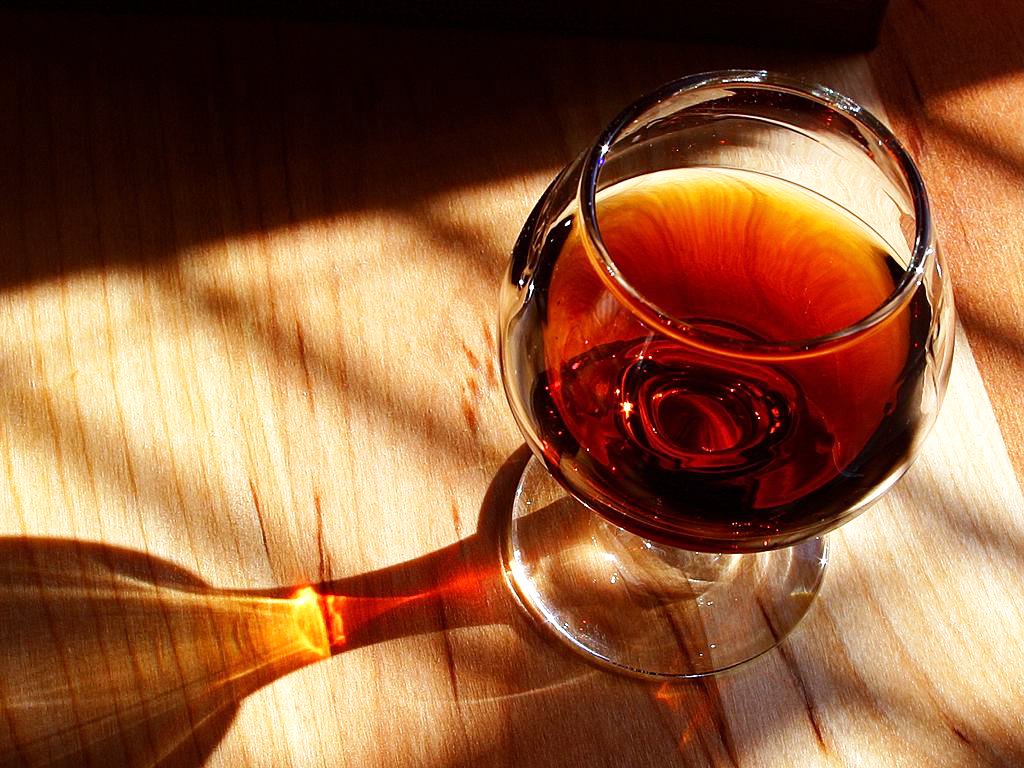
Wine tasting is the sensory examination and evaluation of wine. Wines can contain many fruits, vegetables, and spices. The sweetness of wine is determined by the amount of residual sugar in the wine after fermentation, relative to the acidity present in the wine. Dry wine, for example, has only a small amount of residual sugar.


Some wine labels suggest opening the bottle and letting the wine "breathe" for a couple of hours before serving, while others recommend drinking it immediately. Decanting (the act of pouring a wine into a special container just for breathing) is a controversial subject among wine enthusiasts.


A younger wine's exposure to air often "relaxes" the drink, making it smoother and better integrated in aroma, texture, and flavor. Older wines generally "fade" (lose their character and flavor intensity) with extended aeration.
Despite these general rules, breathing does not necessarily benefit all wines. Wine may be tasted as soon as the bottle is opened to determine how long it should be aerated, if at all.


When tasting wine, individual flavors may also be detected, due to the complex mix of organic molecules that grape juice and wine can contain.


 Experienced tasters can distinguish between flavors characteristic of a specific grape and flavors that result from other factors in winemaking. Typical intentional flavor elements in wine - chocolate, vanilla, or coffee - are those imparted by aging in oak casks rather than the grape itself.


The ideal temperature for serving a particular wine is a matter of debate, but some broad guidelines have emerged that will generally enhance the experience of tasting certain common wines.


A white wine should foster a sense of coolness, achieved by serving at "cellar temperature" (13°C). Light red wines drunk young should also be brought to the table at this temperature, where they will quickly rise a few degrees. Red wines are generally perceived best when served chambré ("at room temperature").


„Three bowls do I mix for the temperate: one to health, which they empty first, the second to love and pleasure, the third to sleep. When this bowl is drunk up, wise guests go home. The fourth bowl is ours no longer, but belongs to violence; the fifth to uproar, the sixth to drunken revel, the seventh to black eyes, the eighth is the policeman's, the ninth belong to biliousness, and the tenth to madness and hurling the furniture.”

Monday, 26 August 2013

„Bird Milk”

We all remember this delicious dessert which our grandmothers used to prepare from time to time.
Preparation is not as complicated as it sounds, and no, birds are not involved. I'm telling these because, I remember when I was a child, I always teased my grandmother asking her if there are any birds in milk.  
Actually its name comes from the egg whites foam floating on the vanilla milk custard, giving the suggestion of white birds floating on a milk lake, or floating islands.
Birds Milk is a classic french recipe, very easy to make and is always a favorite for the entire family.


Ingredients:

4 eggs

150 g sugar

1200 ml milk

1 vanilla powder

Preparation:

Separate the egg yolks from egg white.


Using a mixer make a hard foam of egg whites.
Add 50 g of sugar to the foam and mix well.


Put 700 ml milk in a pot and heat it.
When the milk boils, using a spoon, put the egg white foam in the milk (they will look like dumplings).
Leave it for a minute, then boil the other side.


When the egg white foam is boiled, take them out from the milk and place them in a strainer/colander.
Put the egg yolks, 100 g of sugar and vanilla powder in a bowl and stir until they are well blended.


Add 500 ml milk to this content; stir again until is well blended.
Filter the milk in which you boiled the egg white foam.
Put the filtered milk into another pot and boil again at low heat.
Add the egg yolk diluted with milk into the boiling milk and stir continuously.
Boil until you get a creamy content (about 10 minutes).


When it's ready, pour the content in a bowl and let it cool down.
Then place the boiled egg white foam on surface of the cream.


Reap the harvest of your work! :)